

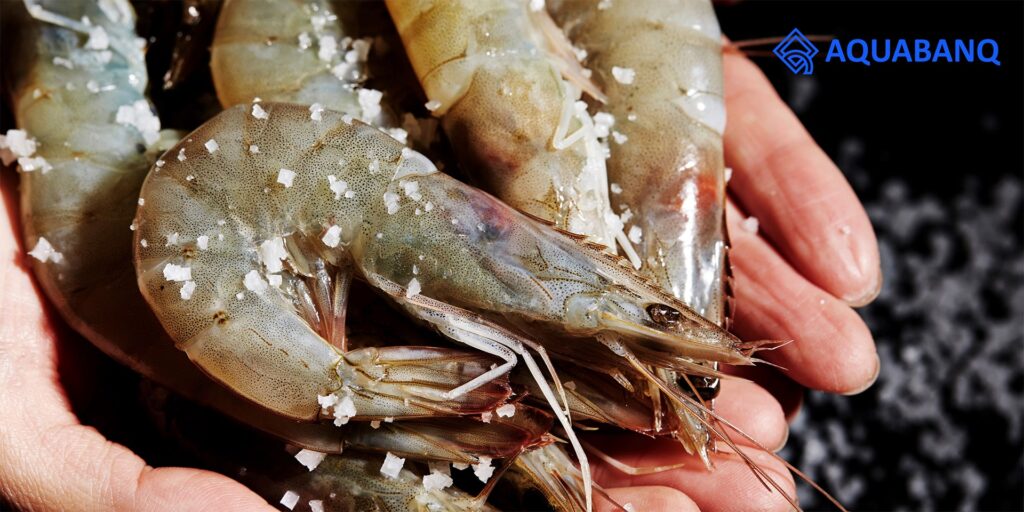
Aquabanq is a modern aquaculture technology and farm operating business focusing on sustainable production of seafood with an emphasis on food safety. The company is set to grow shrimp in controlled-environment facilities close to markets, which reduces its CO2 footprint and fully separates aquaculture production from the surrounding environment.
Aquabanq markets itself and will be carrying out its operations as a premium-quality, local shrimp supplier with farm-to-table logistics and traceable products.
Aquabanq’s zero-discharge recirculating aquaculture system functions as an environment-independent water treatment plant capable of sustaining marine life with 100% reutilization of water. It differs from traditional land-based recirculating aquaculture systems by ensuring no effluent is discharged into the environment, thereby dramatically reducing pollution, significantly lowering capital expenditures and operating costs.
AJ Shapiro, CEO and Co-Founder of Aquabanq, shares: “Our dedication to sustainability is evident not only in the deployment of advanced farming technologies, but also in our comprehensive approach to feed ingredients: we prioritize minimal use of wild fish and reject the use of GMOs and antibiotics. Additionally, we are equally committed to positively impacting local communities. Aquabanq aims to play a meaningful role in fostering much-needed, long-lasting economic growth and works hard to be recognized as a responsible employer that prioritizes employee engagement within the communities where we operate.”
In 2023, Aquabanq acquired 10 acres in Capon Bridge Technology and Industrial Park, Hampshire County, West Virginia for a 550-thousand-pound shrimp farming facility that will serve the Washington, D.C. metropolitan area. This facility represents the start of Aquabanq’s vision, with plans in place for additional production units and a processing plant in Capon Bridge Business Park to grow the capacity up to 2,000 metric tons of shrimp.
Learn more here.